
Geneva – United Nations Palais des Nations
Amid the escalating humanitarian tragedy endured by civilians in Sudan as a result of grave
violations and war crimes committed by the Sudanese army and allied militias, an
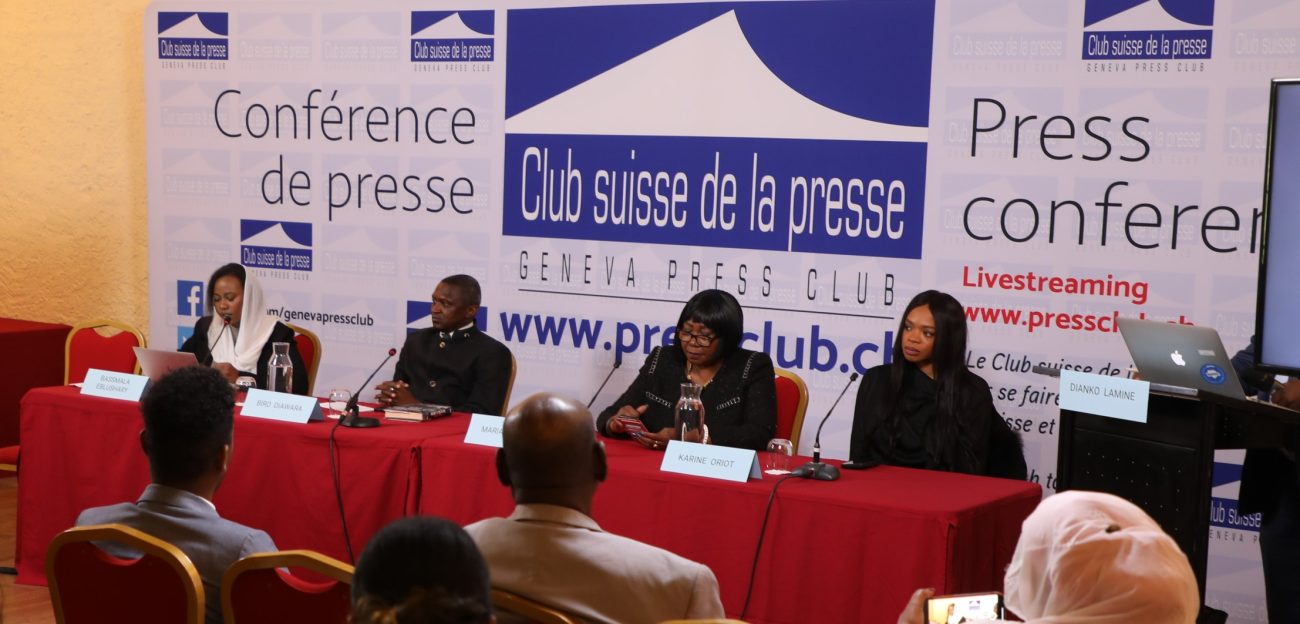
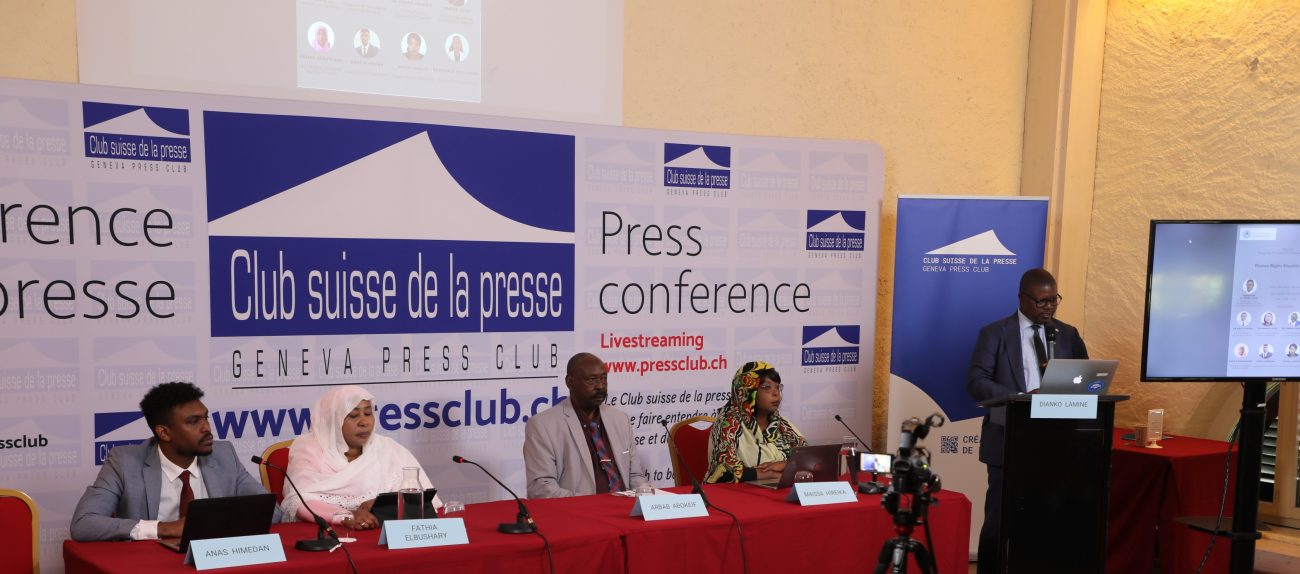
international symposium was held at the Palais des Nations in Geneva on Monday, 29
September 2025, in Room 9. The event took place on the side-lines of the 60th session of the
Human Rights Council under the title: “The Impact of Armed Conflicts on Human Rights in
Africa.”
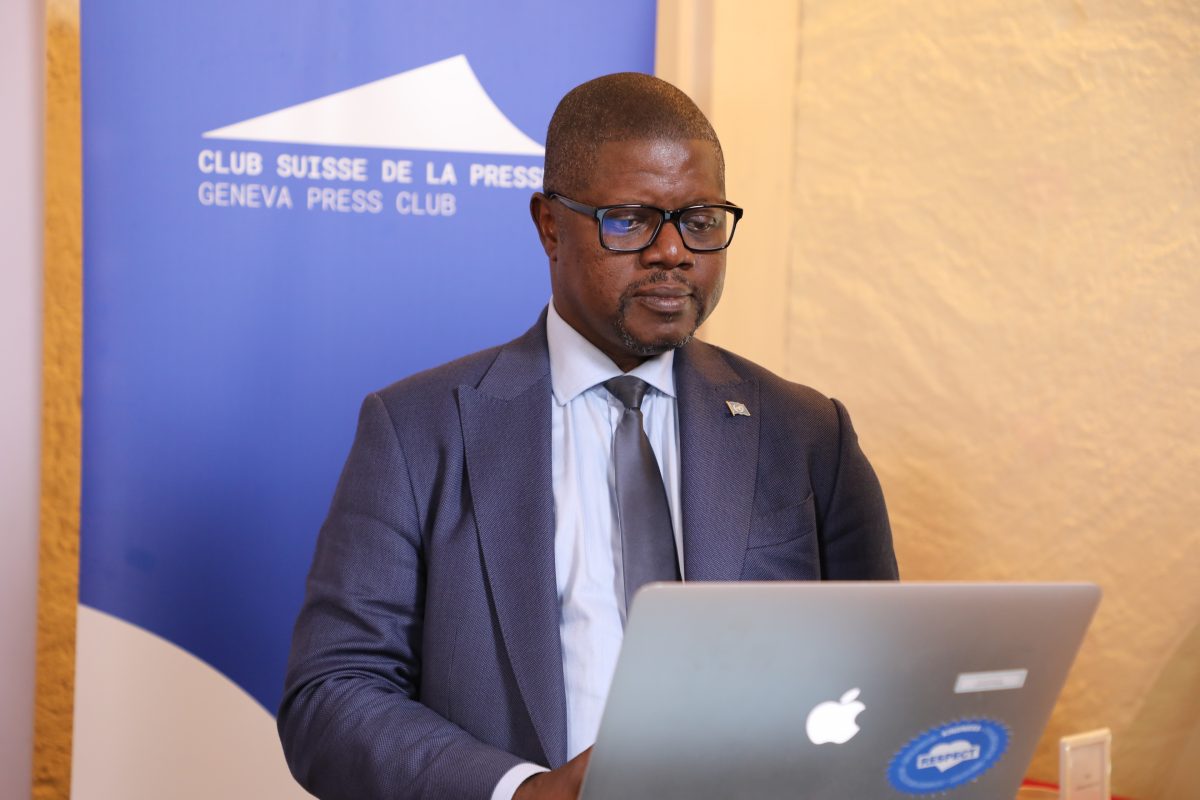
The symposium, organized by international human rights organizations, was chaired by Dr.
Dianko Lamine, a renowned expert in human rights and international relations. It brought
together a distinguished panel of experts, activists, and journalists, including Dr. Arbab
Ahmed Abokeif, Dr. Limam Boussif, Dr. Mariam Shaw, researcher Anas Himedan, journalist
Karine Oriot, and activist Braeah Markaz. The participants presented comprehensive papers
and interventions highlighting the Sudanese army’s direct responsibility for exacerbating
violations against civilians.
In their discussions on Sudan’s humanitarian crisis and its global implications, the speakers
stressed that more than 30 million people face acute food insecurity, half of them women and
children, under relentless bombardment targeting markets, hospitals, and critical
infrastructure. They underlined that the Sudanese army bears direct responsibility for the
collapse of the health and education systems and the forced displacement of millions, making
Sudan one of the world’s worst humanitarian catastrophes.
Papers addressing crimes against humanity shed light on mass atrocities in Darfur, Kabmo
Tayba, and Al-Jazira, where hundreds of civilians, including women and children, were
massacred. The interventions documented systematic patterns of arbitrary detention, enforced
disappearances, and the use of sexual violence as a weapon of war — all part of a deliberate
strategy by the Sudanese army to terrorize local communities. These violations, the
participants emphasized, amount to war crimes and crimes against humanity demanding
urgent international accountability.
Other interventions examined the dangerous role of extremist Islamist groups in fueling the
conflict, highlighting the involvement of the Muslim Brotherhood and its allies in providing
logistical and manpower support to the Sudanese army. Speakers stressed that these groups
not only incite conflict but also directly commit atrocities against civilians, reinforcing the
army’s grip on power and perpetuating its war against the Sudanese people.
On the situation of Sudanese women, panellists highlighted horrific abuses, including mass
rape, sexual enslavement, and systematic marginalization. They noted that these violations
are employed as a weapon of war, designed to fracture social cohesion and instil fear,
reflecting the Sudanese army’s orchestrated policies of oppression.
A dedicated session also addressed the Sudanese army’s use of chemical and internationally
banned weapons. Testimonies and reports presented confirmed the targeting of civilian areas
with shells releasing toxic gases, choking fumes, and causing severe burns and respiratory
failure. Participants stressed that these practices constitute a flagrant violation of the
Chemical Weapons Convention and international humanitarian law, placing the Sudanese
army squarely responsible for war crimes requiring international condemnation and
accountability.
Further discussions focused on the recruitment and deployment of mercenaries by the
Sudanese army to consolidate its military control. Reports documented the use of both local
and foreign militias to attack civilians and destroy infrastructure. The participants emphasized
that outsourcing war to mercenaries flagrantly violates international humanitarian law,
stripping civilians of protection and turning them into the expendable fuel of a conflict waged
by hired fighters with no regard for human obligations.
Equally alarming was the situation of journalists in Sudan. Panellists underscored that
journalist have become direct targets of the Sudanese army’s campaign of arrests, threats,
killings, censorship, and communication blackouts. The military’s war, they noted, is not
only killing civilians but also silencing every voice seeking to expose the truth.
The symposium concluded with a focus on the role of the United Nations and the
international community in restoring peace and ending the suffering in Sudan. Speakers
emphasized that continued international silence only emboldens perpetrators. They called for
urgent action through the Human Rights Council’s mechanisms and reinforced accountability
before the International Criminal Court as the only way to protect civilians and end the
Sudanese army’s cycle of impunity.
The event concluded with a clear appeal to the international community to intensify efforts to
stop violations, protect civilians, and end the war waged by the Sudanese army against its
own people, underscoring that Sudan’s tragedy is a real test of the international system’s
ability to uphold human rights and safeguard human dignity.
Arbab Idries