
Geneva, 25–27 September 2025
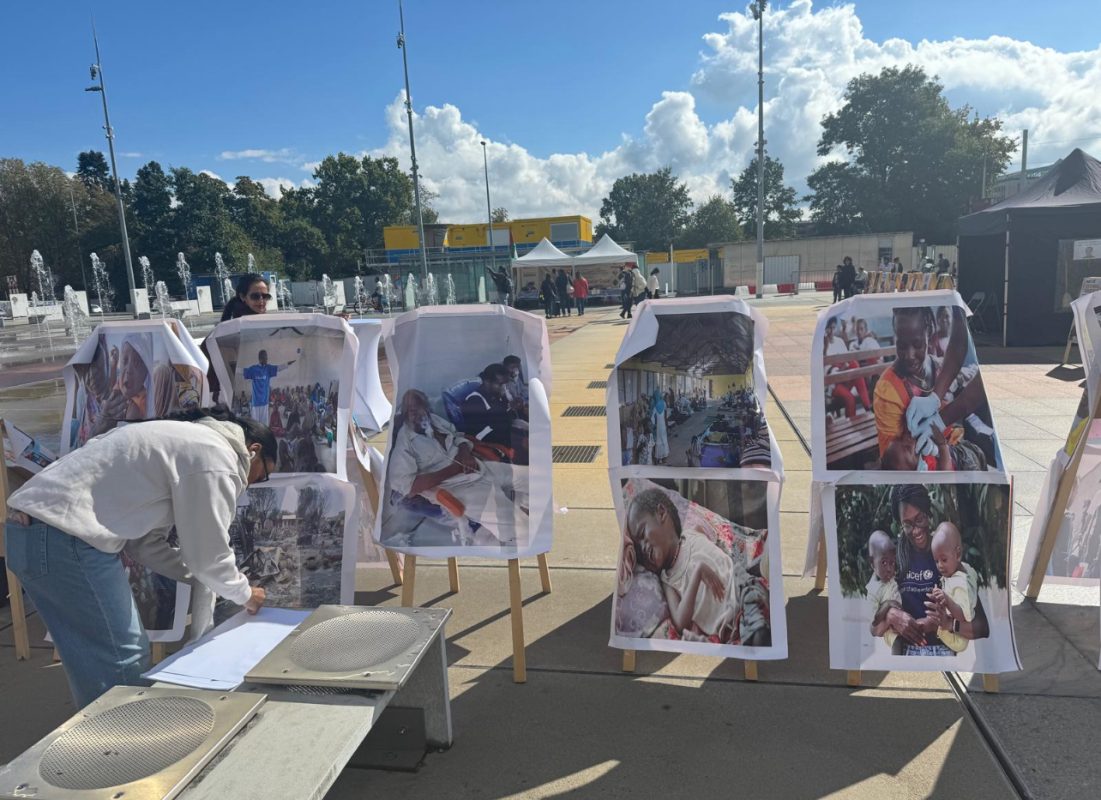
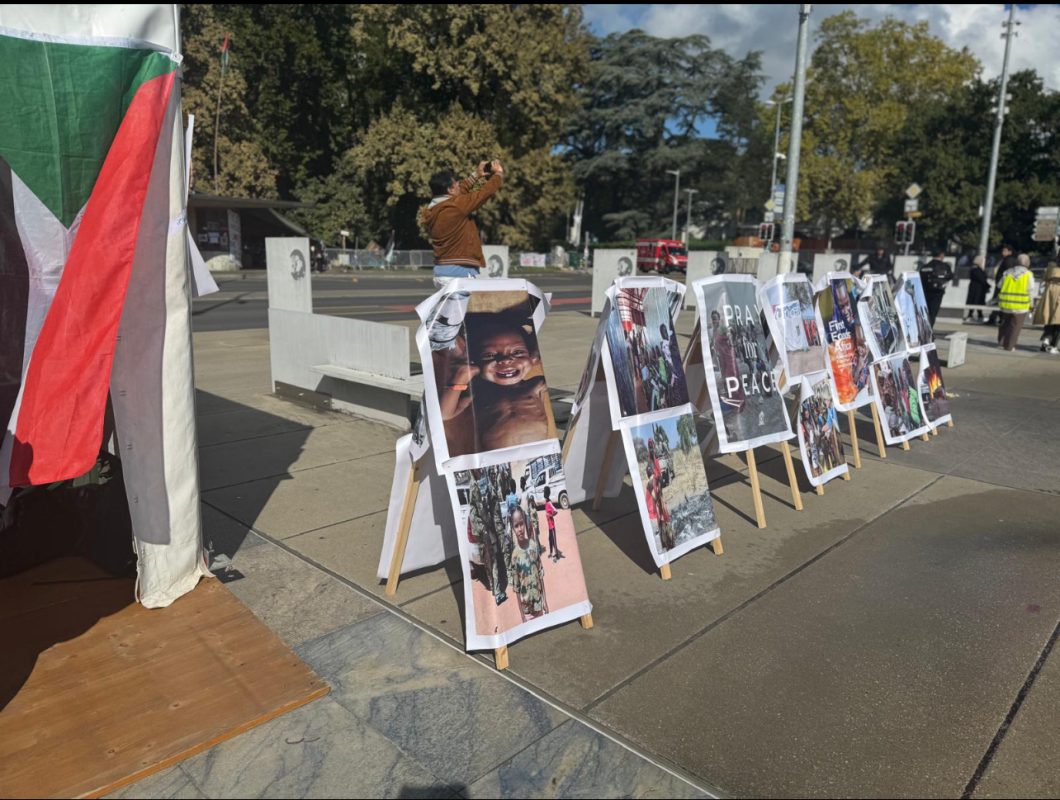
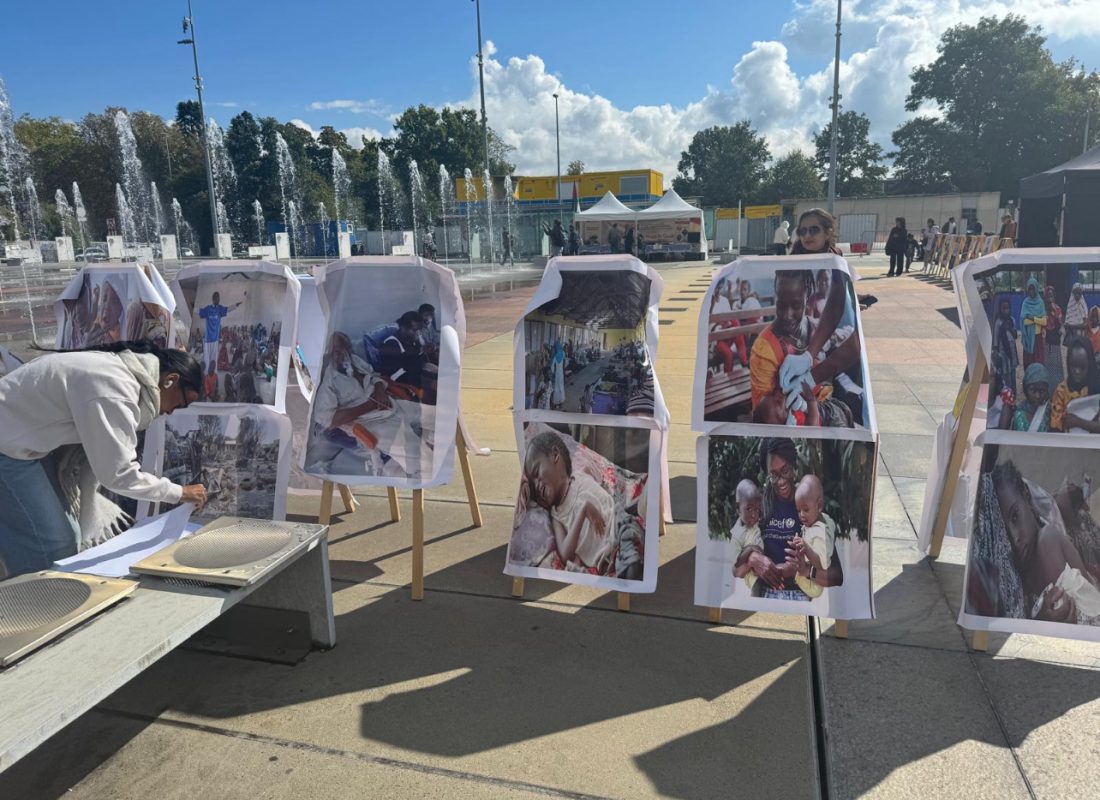
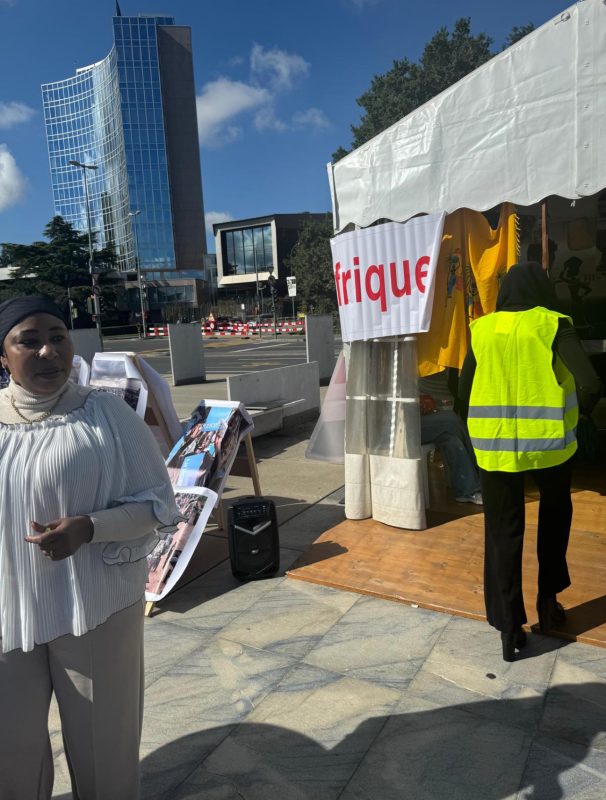
On the sidelines of the 60th session of the United Nations Human Rights Council, the iconic Broken Chair monument at the United Nations Human Rights Square in Geneva hosted a
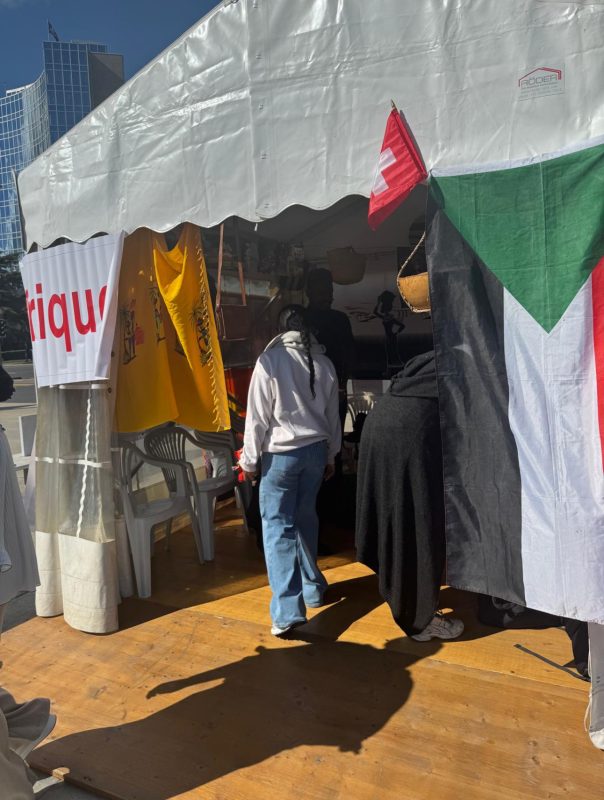
moving exhibition titled “African Heritage and Human Rights.” The event brought together artists, human rights defenders, members of the African diaspora, and international visitors to
celebrate Africa’s rich traditions while highlighting the challenges that armed conflict continues to pose to human dignity.
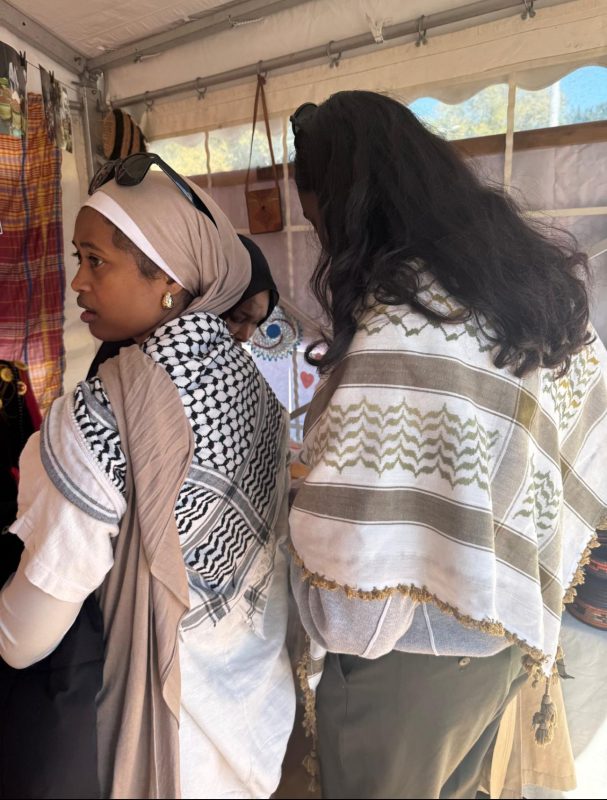
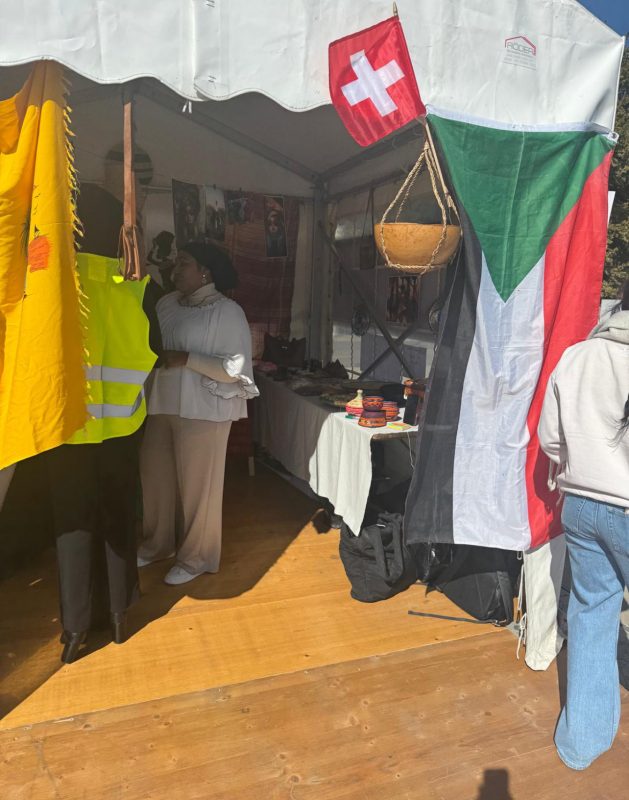
The exhibition featured a wide variety of art, crafts, and cultural displays that reflected Africa’s identity and resilience. From traditional textiles to handmade crafts and visual
artworks, the showcase created a vibrant atmosphere of pride and cultural richness.
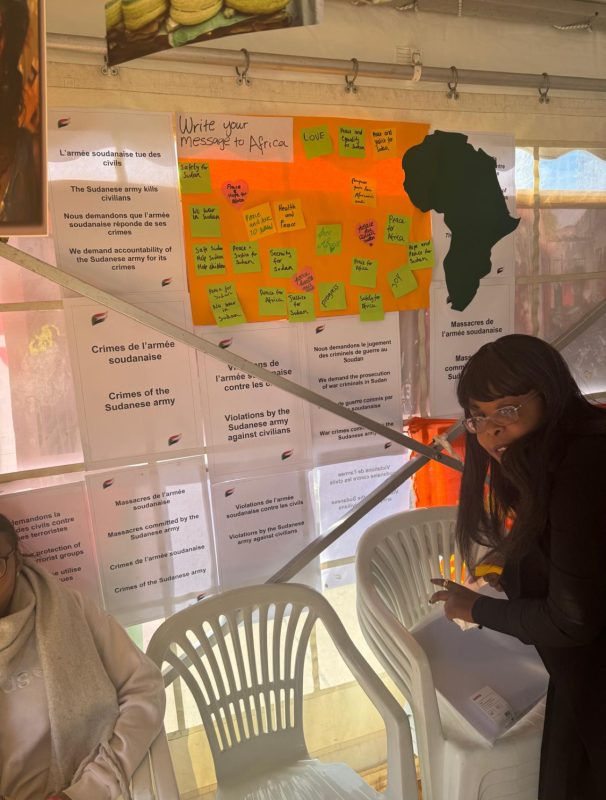
Alongside these cultural presentations, the exhibition drew attention to urgent human rights concerns, particularly the devastating impact of armed conflicts on communities. A dedicated section highlighted serious violations committed by the Sudanese Armed Forces in Sudan, serving as a stark reminder of the human cost of war and the pressing need for accountability. Organisers also contrasted the destruction caused by war with positive examples from African nations that are advancing in peace and stability. These contrasts underscored the principle that justice, peace, and respect for human rights form the foundation for development and human dignity.
The Broken Chair monument, a global symbol of resistance to violence against civilians, provided an emblematic setting for the exhibition, reinforcing its central message: the
protection of human rights cannot be separated from the pursuit of peace. Throughout the week, speakers and participants emphasized that African culture is not only a
source of beauty and pride but also a foundation for resilience in times of crisis. The exhibition concluded with a strong call to the international community to support African-led
peace initiatives, promote accountability, and invest in efforts that safeguard human rights while honoring Africa’s cultural heritage.